
ESP32-CAM Currency Recognition with Edge AI
Build a low-cost AI system that identifies currency notes using ESP32-CAM and Edge Impulse—perfect for embedded AI beginners.

Artificial Intelligence is no longer limited to powerful computers and cloud servers. Today, even a tiny microcontroller costing just a few dollars can recognize objects, images, and patterns in real time. One impressive example is currency recognition using the ESP32-CAM and Edge AI.
Inspired by a project published on CircuitDigest, this guide explores how developers, students, and embedded enthusiasts can build a smart currency recognition system using the ESP32-CAM and Edge Impulse. If you’re interested in TinyML, computer vision, or practical AI applications, this project is a perfect starting point.
This article is written especially for readers on Substack who want to explore real-world AI systems that run directly on embedded hardware.

Why Currency Recognition Matters
ESP32 CAM Currency Recognition systems are essential in many real-world scenarios, including:
Assistive devices for visually impaired individuals
Automated vending machines
Smart payment systems
Banking and ATM automation
Retail automation and fraud detection
Traditional systems require expensive hardware and cloud processing. But with Edge AI, everything happens locally—faster, cheaper, and more securely.

Meet the ESP32-CAM: A Tiny Vision Powerhouse
The ESP32-CAM is a low-cost microcontroller module developed using chips from Espressif Systems. Despite its small size and price, it offers powerful features:
Built-in camera (OV2640)
Wi-Fi and Bluetooth connectivity
Sufficient processing power for TinyML tasks
Compact and energy-efficient design
This makes it ideal for real-time image classification directly on the device.
What is Edge Impulse?
Edge Impulse is a specialized platform that allows developers to create, train, and deploy machine learning models on embedded devices.
With Edge Impulse, you can:
Collect image data
Label and organize datasets
Train machine learning models
Optimize models for microcontrollers
Deploy models directly to devices like ESP32-CAM
The biggest advantage? No need for high-end GPUs or complex ML infrastructure.


How the System Works
The currency recognition system follows a simple but powerful workflow:
Step 1: Image Capture
The ESP32-CAM captures images of currency notes using its onboard camera.
Step 2: Data Collection
Images of different currency denominations are collected and uploaded to Edge Impulse.
Step 3: Model Training
Edge Impulse trains a machine learning model using the collected images.
Step 4: Model Deployment
The trained model is exported and uploaded to the ESP32-CAM.
Step 5: Real-Time Recognition
The ESP32-CAM captures live images and uses the onboard model to identify the currency note instantly.
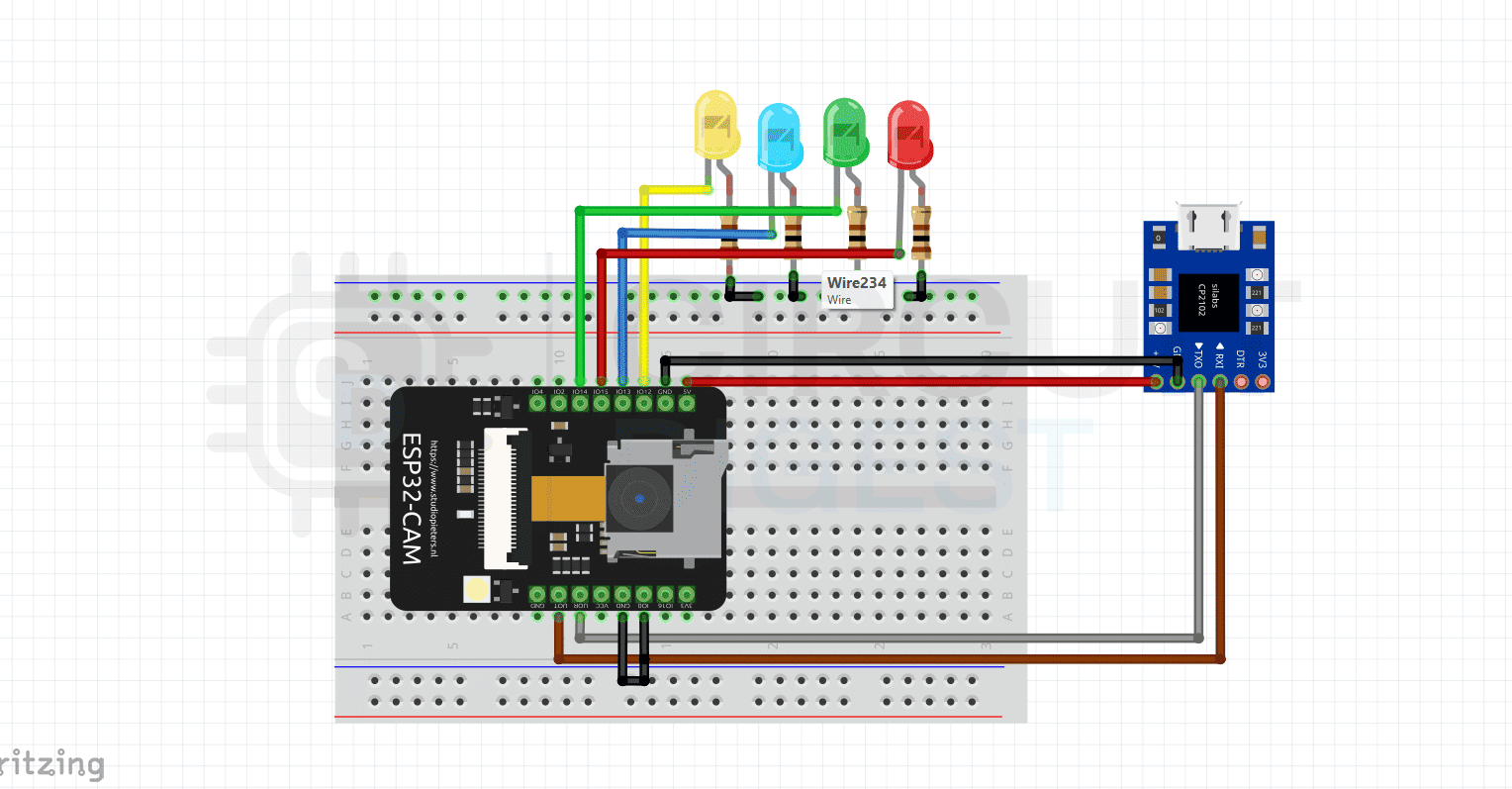
Key Components Required
This project requires only a few affordable components:
ESP32-CAM module
FTDI programmer (for uploading code)
USB cable
Computer with Arduino IDE
Edge Impulse account
This makes it accessible even for students and beginners.
Why This Project is Powerful
This project demonstrates several important Edge AI concepts:
On-device machine learning
Real-time image classification
TinyML deployment
Embedded computer vision
Offline AI processing
Most importantly, it proves that AI doesn’t need expensive hardware.

Real-World Applications
Beyond currency recognition, this same approach can be used for:
Face recognition systems
Smart attendance systems
Object detection devices
Industrial quality inspection
Smart security cameras
The possibilities are endless.
Why Edge AI is the Future
Edge AI offers several advantages over cloud-based AI:
Faster response time
Improved privacy
Lower bandwidth usage
Offline functionality
Lower operational cost
Devices like ESP32-CAM are leading the Edge AI revolution.
Final Thoughts
The ESP32-CAM currency recognition system is a perfect example of how affordable hardware and accessible AI platforms are democratizing innovation. Whether you are a student, hobbyist, or professional developer, this project offers a hands-on introduction to embedded machine learning. Explore hands-on machine learning innovations in embedded systems with CircuitDigest’s AI section—featuring practical ESP32 Projects and AI projects, and real-world TinyML implementations for developers and students
Projects like the one shared by CircuitDigest help bridge the gap between theory and real-world implementation, making AI more accessible to everyone.
If you’re passionate about embedded systems, TinyML, and Edge AI, this is the perfect time to start building intelligent devices.